


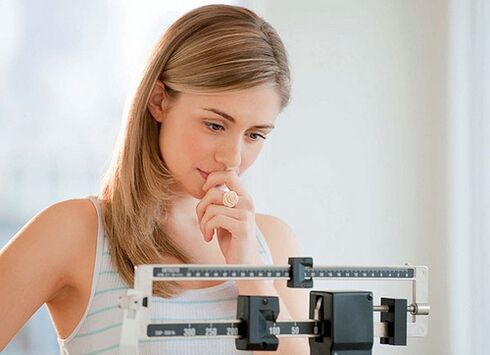
Human food habits and preferences have evolved over millions of years.It is quite difficult to change them radically, but they can be subjected to small corrections.The problem of overeating and obesity today is especially acute in the face of humanity, and the percentage of people suffering from obesity is highest in developed countries.Obesity leads to problems with the cardiovascular system, which can significantly shorten your life span, not to mention the fact that from a purely aesthetic point of view, being overweight does not make you a very attractive person in the eyes of other people.
Very often, in order to lose excess weight, people try to sharply limit their diet.This does not always lead to a positive result.If they manage to lose a couple of kilograms, then there is a risk of gaining them again after the end of the diet.
What rules must be followed to get back into shape and consolidate the results?
Rule 1: Eat small meals frequently
Nutritionists recommend eating 5-6 times a day, always eating small portions.In this case, it is necessary to monitor not only its weight, which should be approximately 250-350 grams, but also the calorie content of the foods consumed.In terms of calorie content, such a single serving should not exceed 400-450 kcal.The total number of kcal in your diet should not exceed 1600-1700.You should not reduce your caloric intake below 1200 kcal without consulting your doctor.The nutrient content of your diet also matters.For example, complex, hard-to-digest carbohydrates should be eaten in the morning.In the evening, you can use dishes containing proteins and simple carbohydrates.
Rule 2: Drink enough fluids
It is recommended to drink about two liters of ordinary water per day.The quality of the city water supply leaves much to be desired, so it is necessary to buy bottled water.To save money, it is better to order it in large containers at home than to buy it in a store.Experts do not advise drinking carbonated water, sweet water, tea, especially at night, as this can lead to swelling.
Rule 3: Don't limit yourself too harshly
You shouldn’t very strictly limit yourself in the choice of food products; from time to time you can pamper yourself a little with your favorite dishes, even if they are harmful to your figure.
Here is an approximate diet that will allow you to maintain your normal weight:
- Breakfast.Experienced nutritionists advise preparing dishes for breakfast that contain complex carbohydrates and do not contain large amounts of protein.Various porridges (buckwheat, millet, rolled oats) fit these recommendations; you can also make sandwiches, eat cheesecakes, cottage cheese, preferably not too fatty and without sugar.As a drink, use tea, coffee, preferably without sugar, or with milk.
- For lunch, protein foods, mushrooms, meat, and poultry are suitable.You can use various vegetables as a side dish.The best option would be if your daily routine allows you to consume light, low-fat soups.Dividing lunch into first and second does not justify itself; you need to choose one thing.Instead of compote, it is better to drink juices or eat fresh fruit.
- For dinner, food that is not too fatty and contains not very heavy proteins (poultry, seafood, lean veal) is suitable.To replenish your carbohydrate reserves, supplement your diet with vegetables, preferably fresh ones.Potatoes have gained popularity among the general population, they are used in many dishes, but they do not contain many useful substances, and the calories are still not too low; you can almost refuse to eat them.Bread contains a lot of carbohydrates and is a relatively high-calorie product; its consumption should be limited.
Rule 4: Correct and active lifestyle
And finally, here are a few more essential recommendations.Your diet must certainly be rational and balanced; you must plan it in advance, at least a week in advance.Don’t forget about playing sports, give up bad habits.Our advice here is general, so we recommend that you consult a nutritionist and choose an individual nutrition system for you, aimed specifically at combating excess weight.